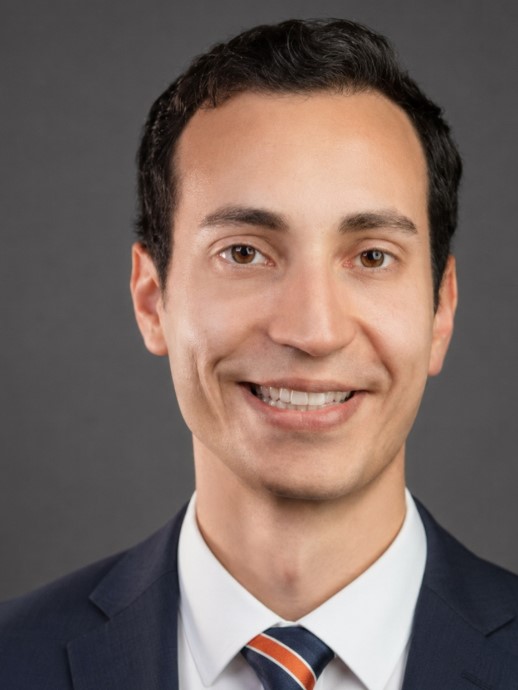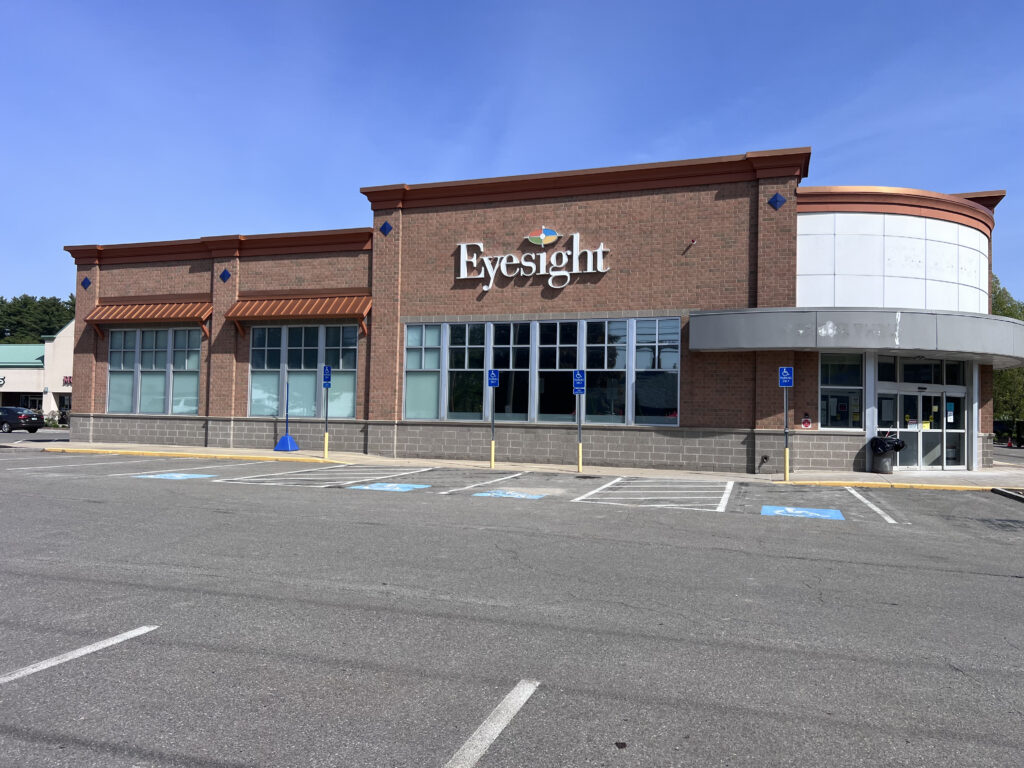

Eyesight Ophthalmic Services is glad to welcome Qingjie Wang, M.D., Ph.D., a fellowship-trained vitreoretinal specialist who has begun seeing patients at the Exeter, New Hampshire, and Sanford, Maine, offices.
His arrival brings advanced retina care closer to home for people across the Seacoast and York County, and it adds a physician whose background in the science of the retina runs unusually deep.
If you have been told you need to see a retina specialist, or you have been managing a condition like macular degeneration or diabetic eye disease, Dr. Wang adds to the depth of retina care available across the practice.
Meet Dr. Qingjie Wang
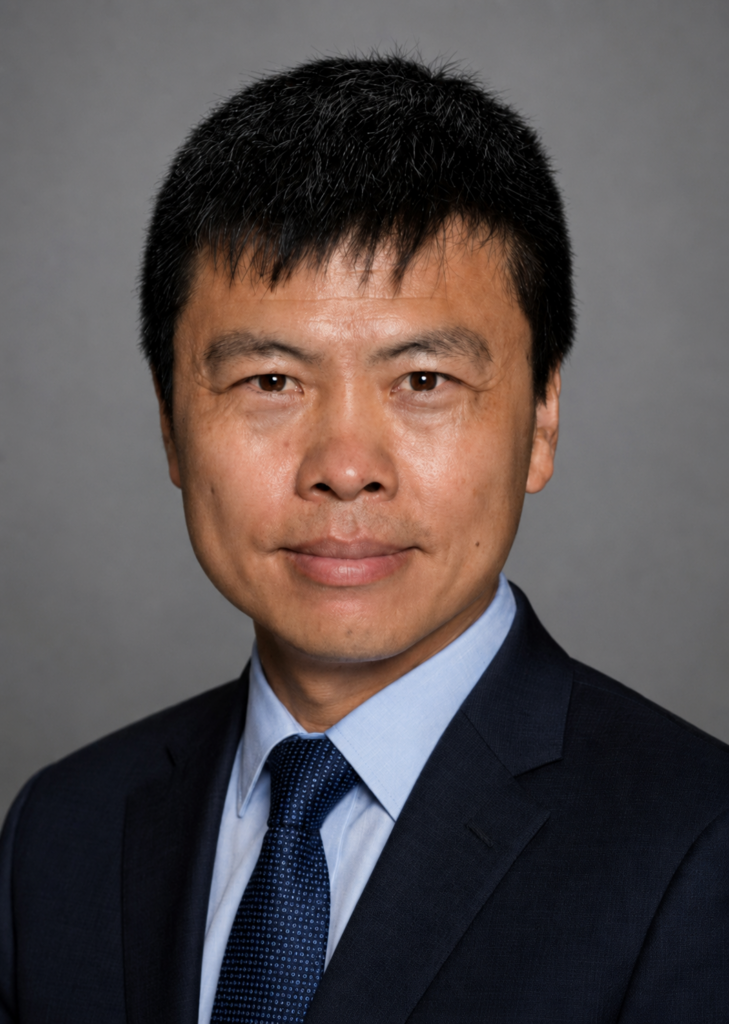
Dr. Wang took a longer and more research-driven road to the exam chair than most eye doctors.
He completed his undergraduate studies in the life sciences before coming to the United States, then earned a Ph.D. in neuroscience at Albany Medical College, where his laboratory work focused on how cells in the developing nervous system are guided to become the specific cell types the body needs. That question sits at the center of retinal disease, because vision depends on delicate, specialized cells that the body cannot easily replace once they are lost.
For several years after his doctorate, Dr. Wang worked as a research associate at the Neural Stem Cell Institute in New York, studying the retina directly. His published work includes research on the retinal pigment epithelium, the layer of cells that supports the light-sensing photoreceptors and fails early in age-related macular degeneration.
He was a co-author on a study in the journal Cell Stem Cell that used stem cells grown from human patients to model macular degeneration in the laboratory and test whether a compound called nicotinamide could slow the disease process.
He also contributed to work on how the same cell layer changes in epiretinal membrane, another retinal condition that distorts central vision. Few retina specialists have spent years studying the biology of these diseases at the bench before treating them in patients, and that perspective shapes how he explains a diagnosis and weighs treatment options.
Dr. Wang then completed medical school at Stony Brook, a transitional-year internship, and his ophthalmology residency at Stony Brook before pursuing subspecialty fellowship training in vitreoretinal disease at the University of Rochester’s Flaum Eye Institute. He is fluent in both Mandarin and English, which allows him to care for a broader range of patients in their own language.
What Does a Vitreoretinal Specialist Do?

Most eye care happens at the front of the eye, but many of the conditions that threaten sight begin at the back, in the retina and the vitreous.
The retina is the thin, light-sensitive tissue lining the inside of the eye that captures images and sends them to the brain. The vitreous is the clear gel that fills the eye and sits against the retina. A vitreoretinal specialist has completed a fellowship, meaning additional years of focused training after residency, dedicated entirely to diagnosing and treating diseases of these structures, including the medical injections and delicate surgeries the retina sometimes requires.
That level of focus matters because retinal problems are often quiet at first and time-sensitive once they appear. A retinal detachment can permanently damage vision within days if it is not repaired. Bleeding or swelling in the retina from diabetes can progress before a patient notices much change.
Having a fellowship-trained retina specialist as part of the retina care team at Eyesight NH means these problems can be evaluated and treated without a long wait or a drive to a distant medical center.
What Conditions Will Dr. Wang Treat?
Dr. Wang cares for the full range of retinal disease. Age-related macular degeneration is one of the most common, affecting the macula, the small central part of the retina responsible for sharp, detailed vision used for reading, driving, and recognizing faces. The wet form of the disease is often treated with injections that reduce abnormal blood vessel growth and fluid, and starting that treatment early can make a real difference in how much vision is preserved.
Diabetic retinopathy is another major focus. Diabetes damages the tiny blood vessels in the retina over time, causing them to leak or grow abnormally, and it can threaten sight even in people whose diabetes feels well controlled. Regular monitoring and timely diabetic eye care are the most reliable ways to catch this damage before it affects central vision.
Dr. Wang also evaluates and treats retinal tears and detachments, along with the sudden flashes and new floaters that can signal them. A recent, noticeable increase in floaters, a shower of new spots, or a shadow moving across your vision is a reason to be seen promptly rather than to wait, since these can be the first warning of a tear that is still repairable.
Beyond these, he manages retinal vein and artery problems, macular swelling, and other disorders that affect the delicate tissue at the back of the eye.
Where Can You See Dr. Wang?

Dr. Wang sees patients at two Eyesight NH locations.
The Exeter office at 71 Portsmouth Ave, #101 serves patients throughout the southern New Hampshire Seacoast, and the Sanford office at 272 Cottage Road, Suite B, extends specialty retina care into southern Maine and the broader York County region.
Having Dr. Wang at both offices means that ongoing care, including the repeat visits that conditions like macular degeneration and diabetic retinopathy usually require, can happen close to where you live.
Your regular eye doctor or optometrist will typically be the one to determine whether your symptoms call for a retina specialist, and the team can coordinate that referral for you. When advanced retinal care is needed, Dr. Wang and the rest of the retina team are ready to provide it.
Do you or a family member need a retina specialist close to home? Schedule an appointment at Eyesight NH in Exeter or Sanford.